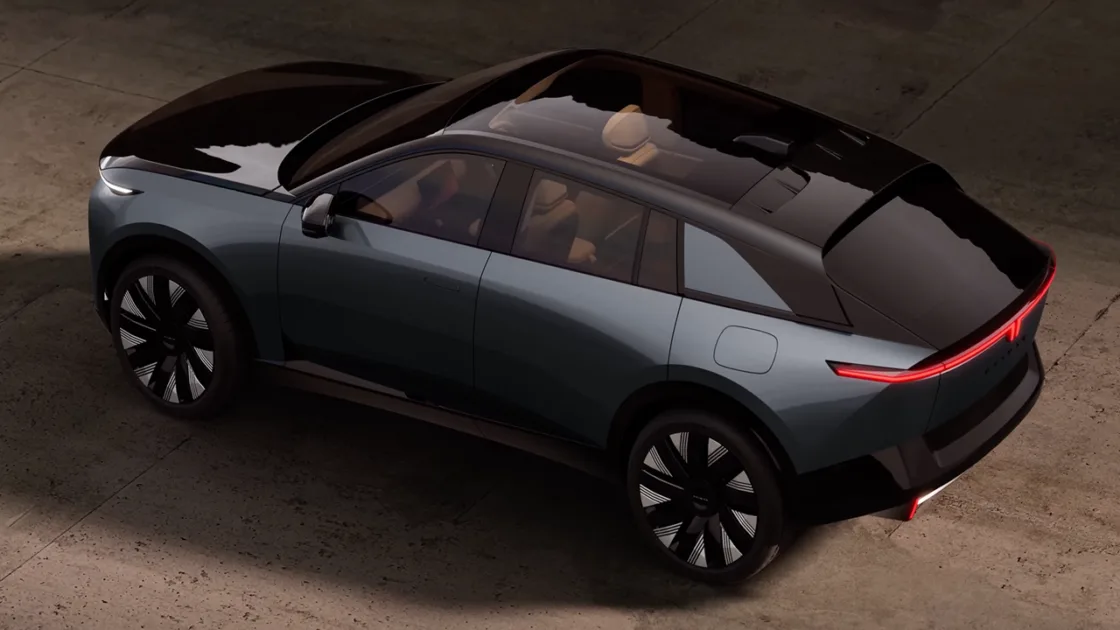
Before the end of the next year, the first model from Tata’s flagship Avinya series will be delivered.
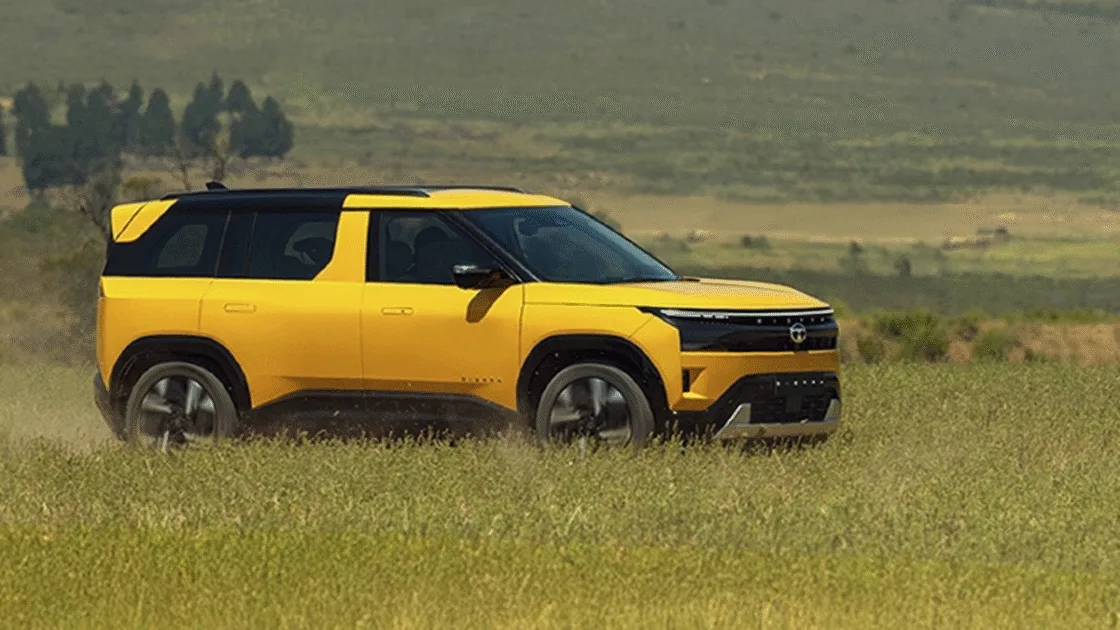
Tata Avinya: The premium segment of the market is Tata Motors’ primary focus. The Avinya brand, which will function as a flagship offering upon confirmed arrival late next year, is at the core of its new EV collection. Between FY25 and FY30, the company plans to invest between 2 billion and Rs. 3 billion dollar to support new products, platforms, and the expanding electric ecosystem.
Key details of Tata Avinya
| Aspect | Details from the Article |
| Brand Name | Tata Avinya |
| Positioning | Flagship premium EV series |
| First Model Delivery | 40,000 stations by 2027; 1 million chargers by decade’s end |
| Investment Plan | 2 billion to 3 billion dollars (FY25–FY30) |
| Sales Strategy | Hybrid model: dealerships + digital |
| Key Rivals | Hyundai Ioniq 5, Kia EV6, Tesla Model Y, German luxury EVs |
| Bridge Models | Punch EV facelift, Sierra EV (early 2026) |
| Current EV Sales | Over 2.5 lakh units in India |
| Battery Strategy | Multiple chemistries based on needs |
| Technology Support | Collaboration with Jaguar Land Rover |
| Market Share | 40–45%, targeting 45–50% |
| Charging Network Goal | 40,000 stations by 2027; 1 million chargers by decade end |
Also Read:- Tata Sierra Gets 70,000+ Bookings in 24 Hours, Deliveries From Jan 2026
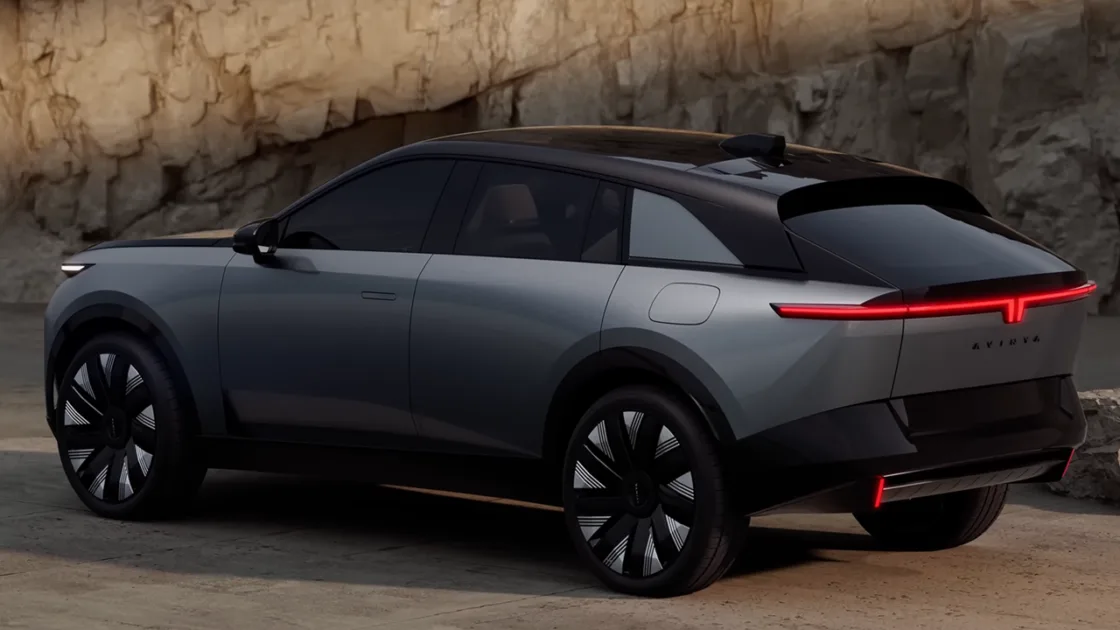
The Tata Avinya models are anticipated to use a hybrid sales strategy, which combines physical dealerships with a digital interface, in contrast to the current lineup. Rivals are anticipated to include luxury entry-level EVs from the German triumvirate, as well as well-known electric cars like the Hyundai Ioniq 5, Kia EV6, and Tesla Model Y.
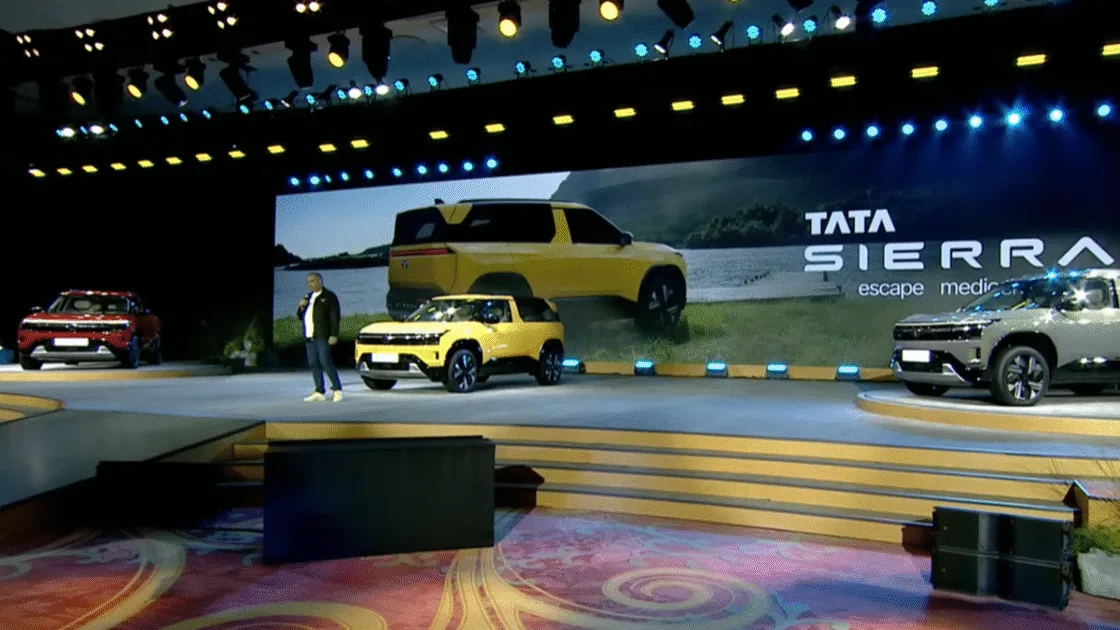
Models like the Punch EV, which will soon undergo a facelift, and the Sierra EV, which is scheduled to launch in early 2026, will serve as a link between mass-market products and the upcoming premium products that will emerge from the Avinya series. In India, the combined sales of the Nexon EV, Tiago EV, Punch EV, Harrier EV, and Curvv EV have already surpassed 2.5 lakh units.
Underneath the surface, technology development is managed with adaptability in mind. Depending on range goals, safety requirements, charging rates, and packaging efficiency, Tata has stated that it will not limit Avinya to a single battery chemistry. The business is utilising technical cooperation with Jaguar Land Rover concurrently.
With the Nexon EV selling more than one lakh units, Tata’s electric line has been increasing volumes over the past five years as it benefits from the first-mover advantage in the volume-based EV market. An SUV or sportback with a variety of body shapes is probably going to be the first car in the more expensive Avinya lineup.
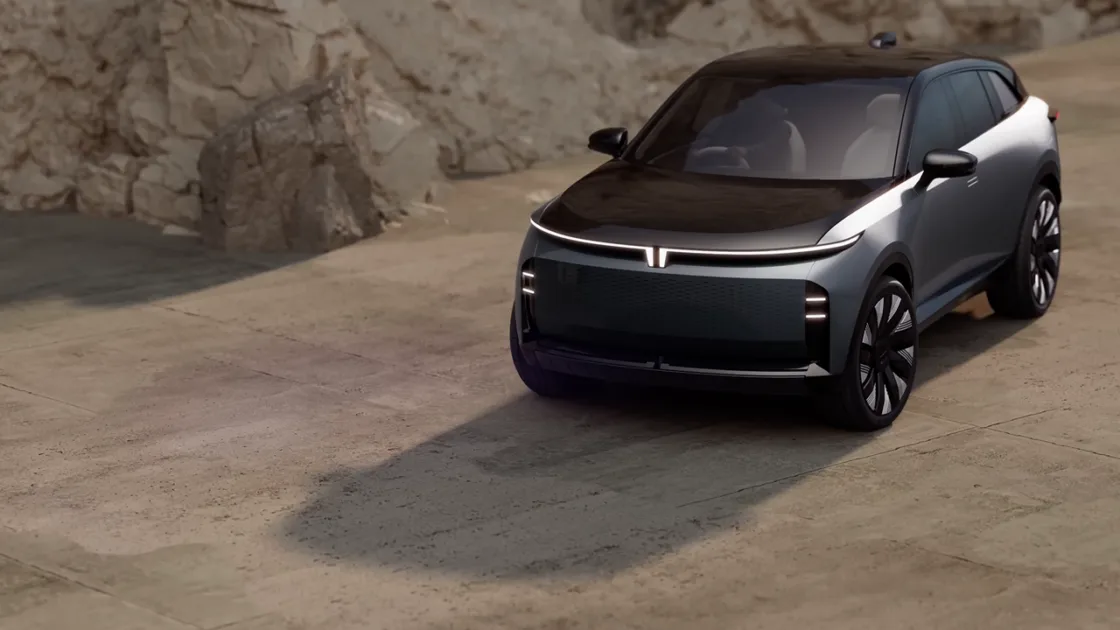
According to Tata, the company has already attained more than 50% domestic value addition at the tier 3 supplier level, making it eligible for PLI incentives. An additional layer of the circular economy is being added by repurposing used EV batteries for renewable energy storage. Tata Motors is optimistic about bringing its current EV market share, which is between 40 and 45 per cent, closer to the 45–50 per cent range in the near future.
Also Read:- Mahindra XEV 9S Launched From Rs. 19.95 Lakh: India’s First Electric 7-Seater SUV With 500km Range
In particular, fields like software integration, safety systems, and electrical architecture are being investigated. Through agreements under an open collaboration approach, Tata hopes to have over 40,000 charging stations by 2027. By the end of the decade, the company hopes to have one million chargers overall, including one lakh public charging stations.