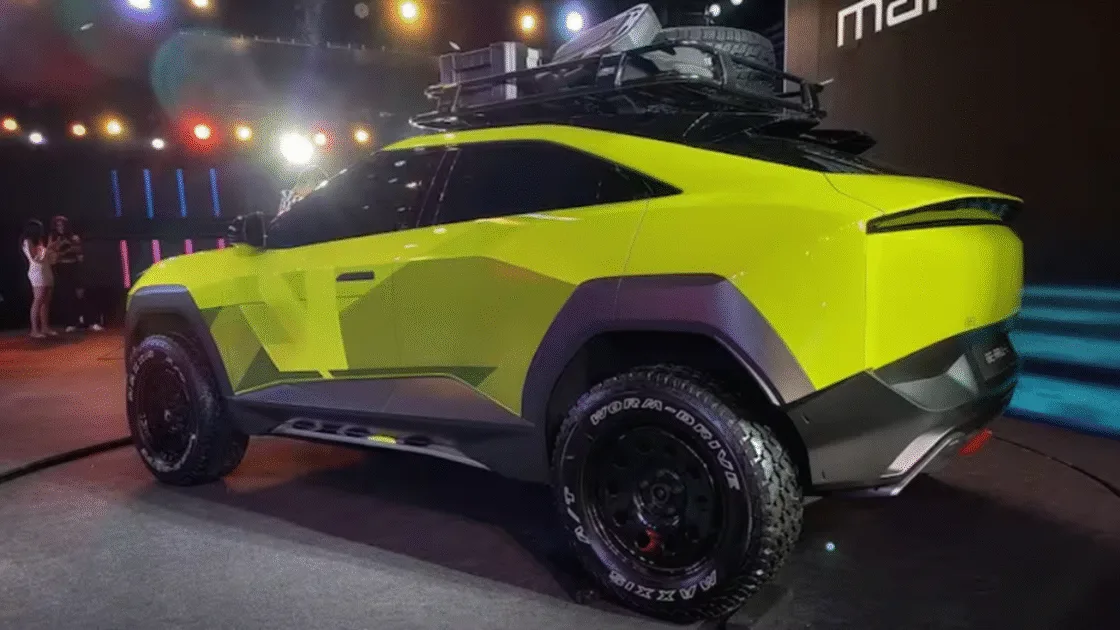
Over the next six to nine months, India’s top five automakers plan to release 6 New Electric Midsize SUVs, which we have highlighted.
6 New Electric Midsize SUVs: SUVs will dominate the next stage of India’s EV transition, with manufacturers vying for market share in both the compact and midsize sectors. Several zero-emission SUVs from domestic and international companies will hit the market in the next six to nine months. All of these are essential to how companies intend to expand their electric portfolios in India, whether they are locally created or modified from global models.
Key Details of 6 New Electric Midsize SUVs
| Model | Brand | Segment | Launch Timeline | Key Highlights |
| Urban Cruiser BEV / e-Vitara | Toyota / Maruti | Midsize EV SUV | Next 6–9 months | Two battery packs, ADAS, unique design |
| BE Rall-E | Mahindra | Rugged EV SUV | By 2026 | Off-road styling, BE platform |
| XEV 9S | Mahindra | 3-Row EV SUV | Late 2025 | 500+ km range, INGLO platform |
| Sierra EV | Tata | Lifestyle EV SUV | Early 2026 | Shared tech with Harrier EV, long-range |
| Compact e-SUV | Hyundai | Sub-compact EV | Late 2025 | India-focused, high-feature small EV |
| XUV 3XO EV | Mahindra | Compact EV | Soon | Punch EV rival, urban-friendly |
Also Read:- 4 New Midsize SUVs Launching Within The Next 2-4 Months in India – Big Changes Ahead!
1. Mahindra BE Rall-E
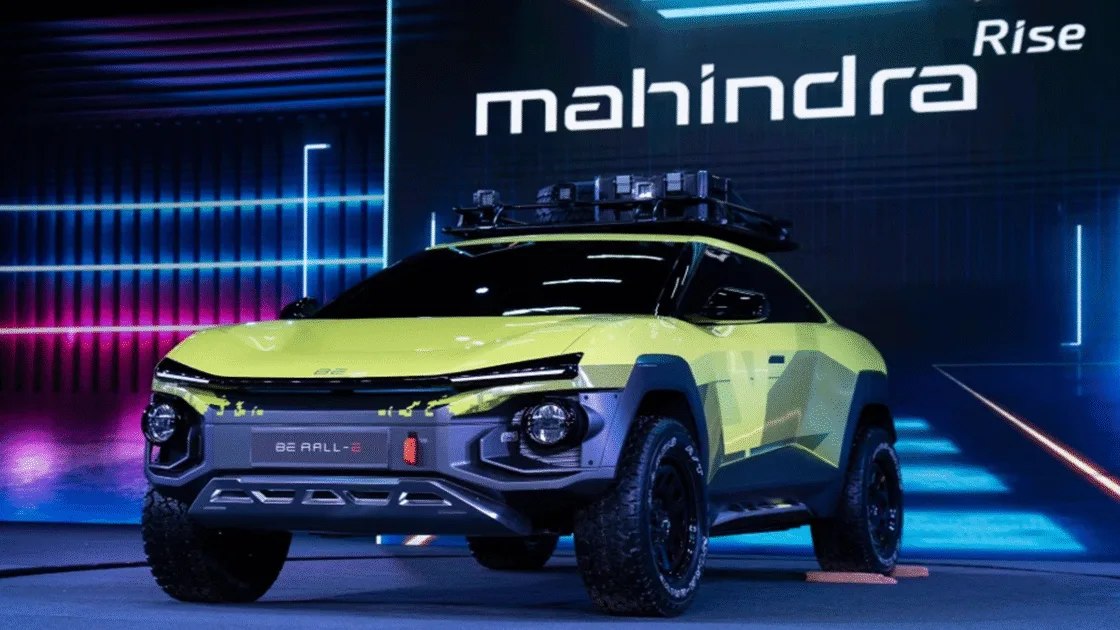
Mahindra’s more rugged and adventurous electric design, the BE Rall-E, may go into production by 2026. It is anticipated to have off-road-focused looks and technical modifications based on the BE platform, making it a more lifestyle-focused EV targeted at consumers seeking toughness, together with electric power.
2. Urban Cruiser BEV and e-Vitara
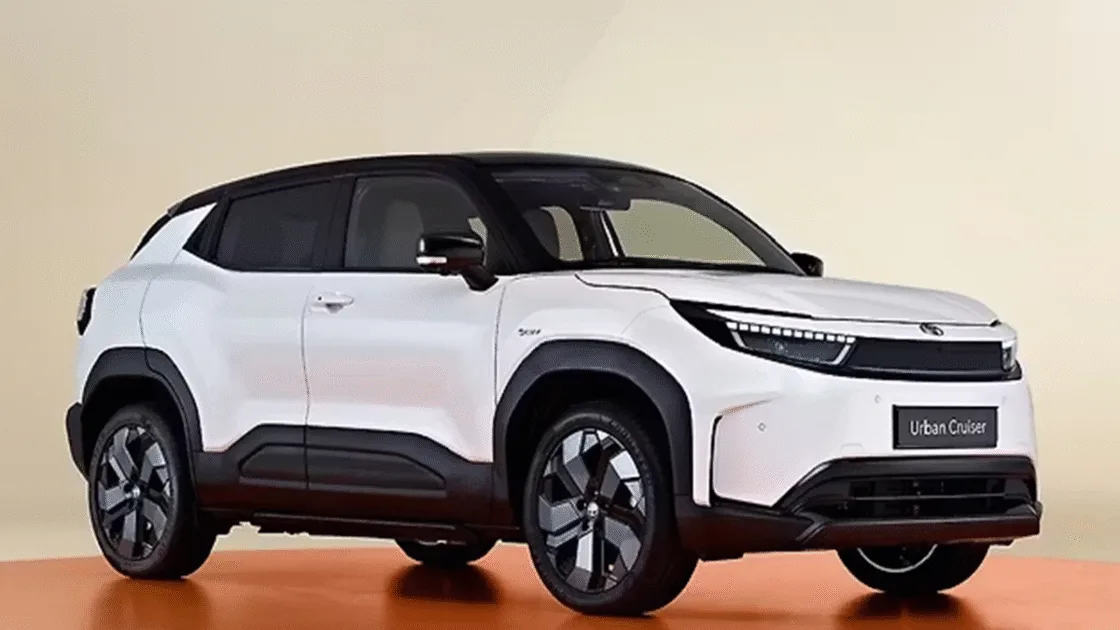
For international markets, Maruti Suzuki’s first real midsize electric SUV has already begun production at its Gujarat facility; an Indian launch is anticipated shortly. In addition to a long list of features, including ventilated seats and Level 2 ADAS, it will come with two battery pack options. Toyota will launch its own derivative, the Urban Cruiser BEV, shortly after it arrives. Although the battery and platform will be shared by both models, each will have a unique design language to ensure distinct brand differentiation.
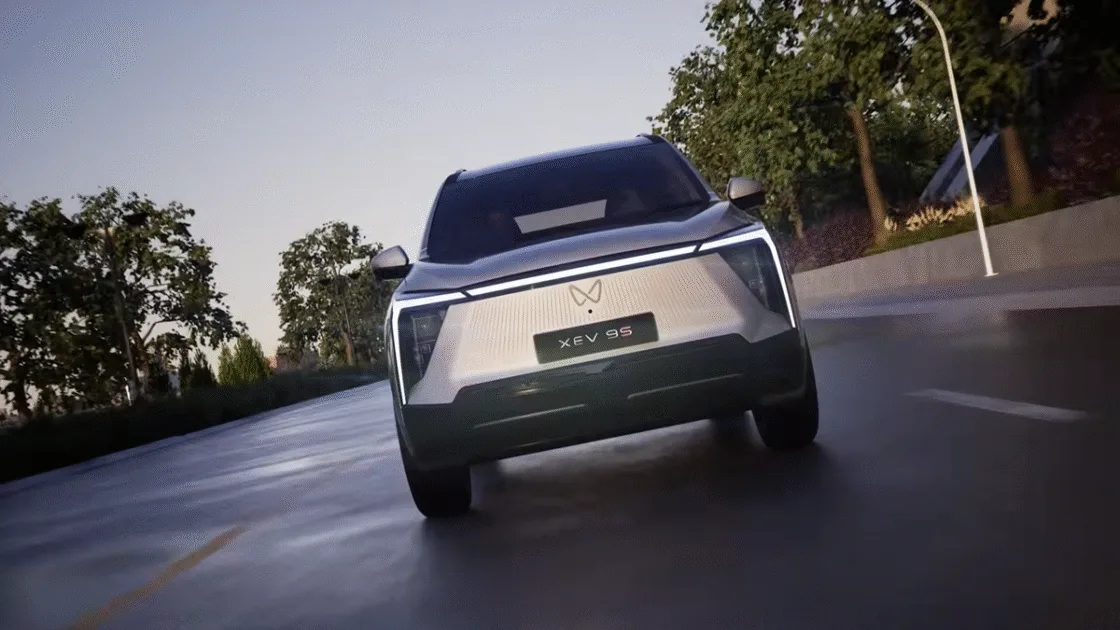
3. Mahindra XEV 9S
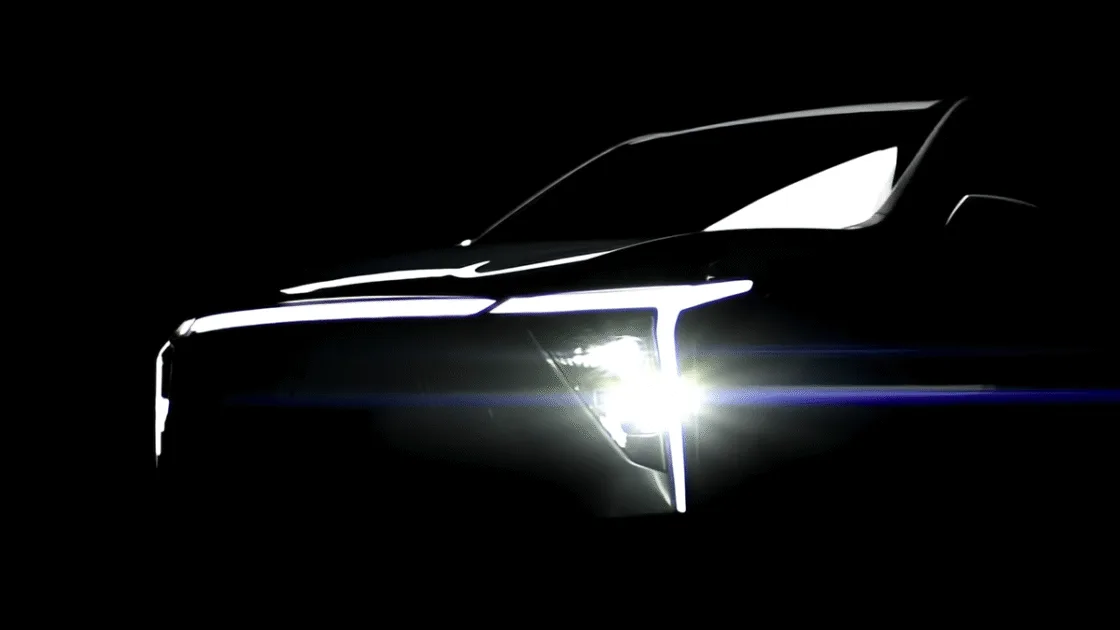
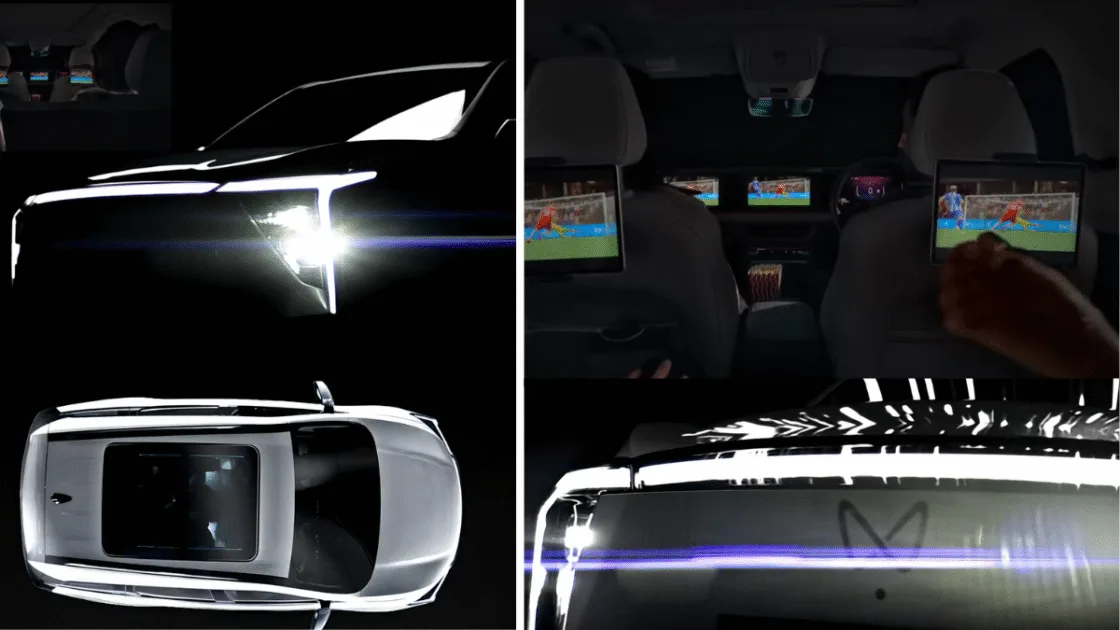
When it goes on sale, the XEV 9S will be Mahindra’s first all-electric three-row SUV. It is anticipated to have two battery pack options and a real-world range of more than 500 kilometres on a full charge because it is built on the brand’s INGLO skateboard platform. Targeting consumers who desire room, presence, and long-distance use without switching to luxury brands, this model will serve as Mahindra’s flagship family electric SUV.
4. Tata Sierra EV
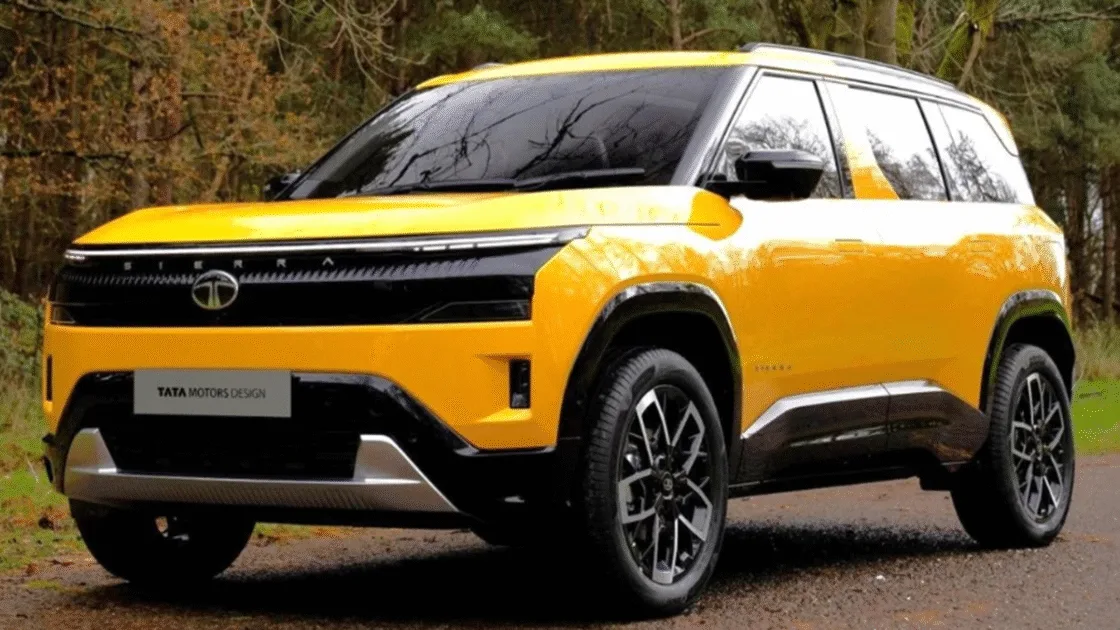
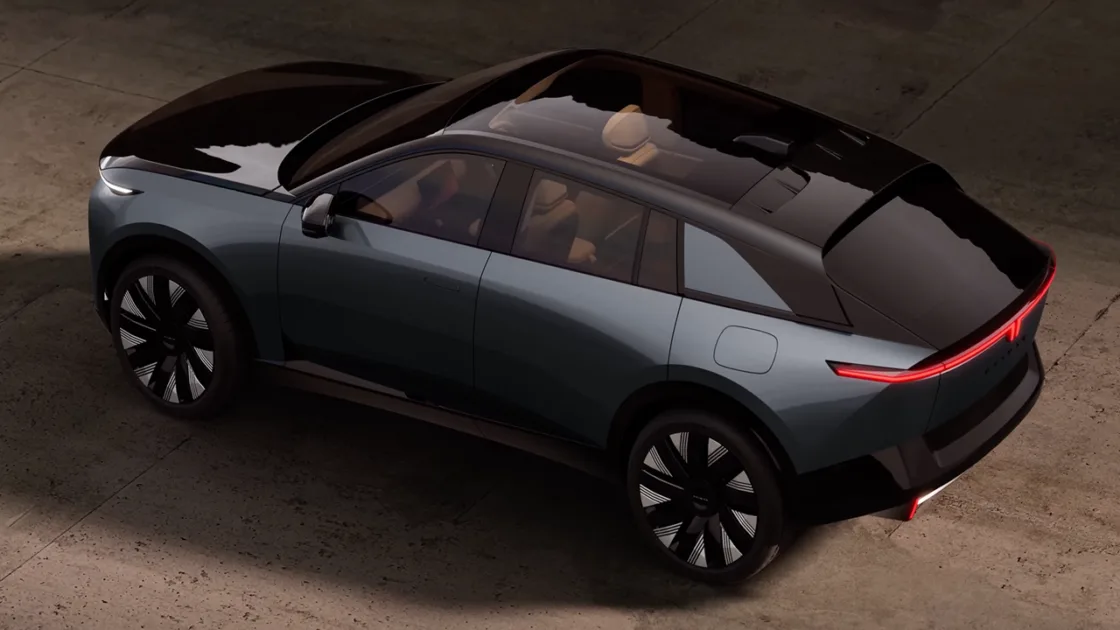
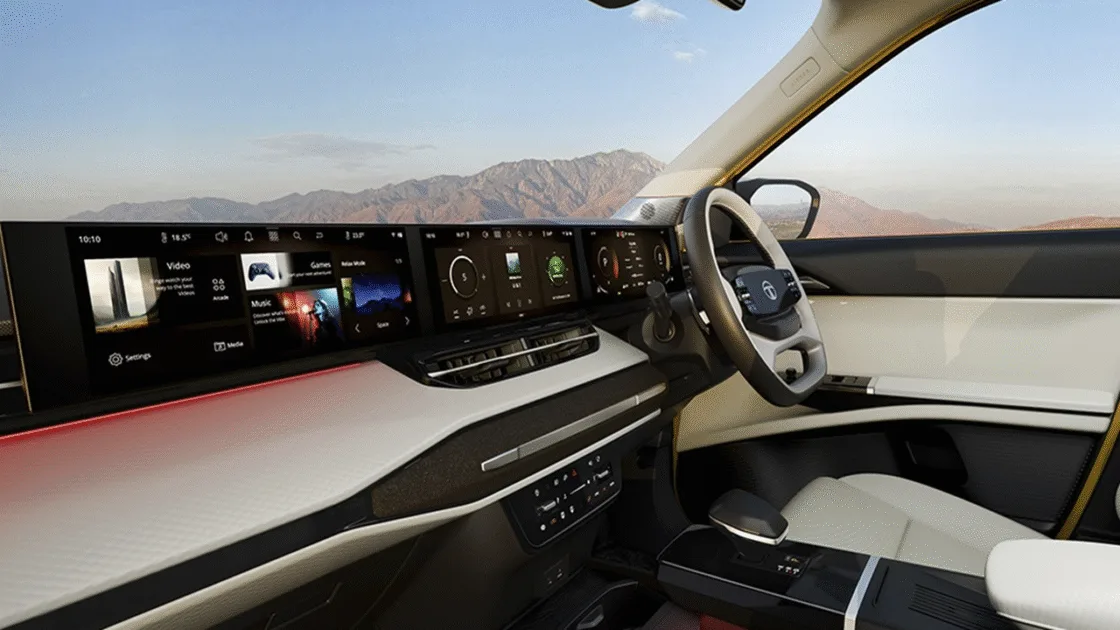
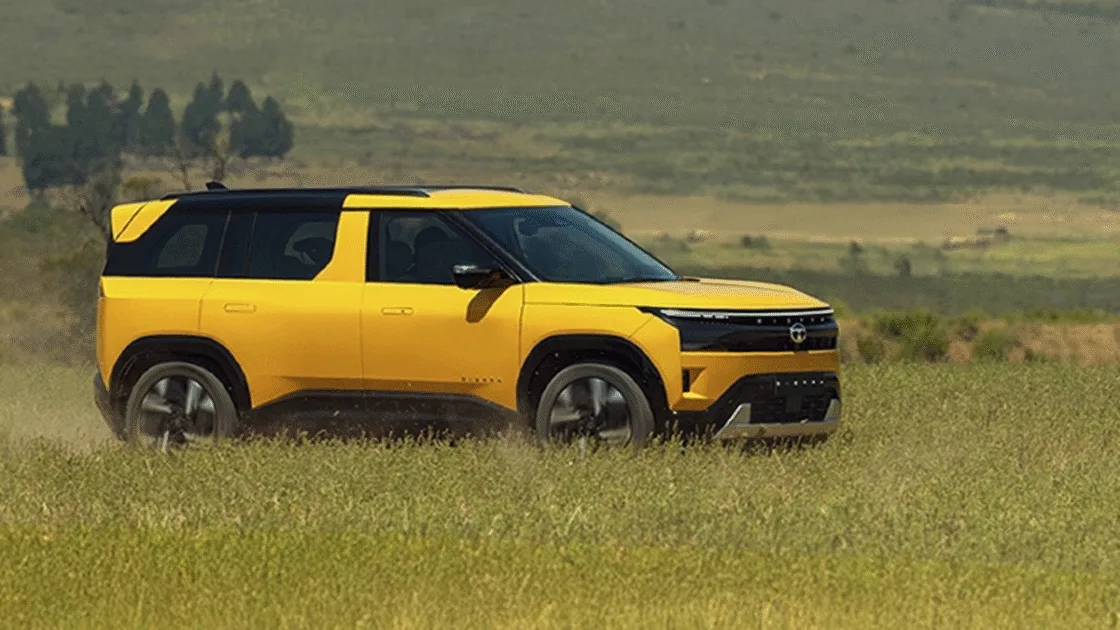
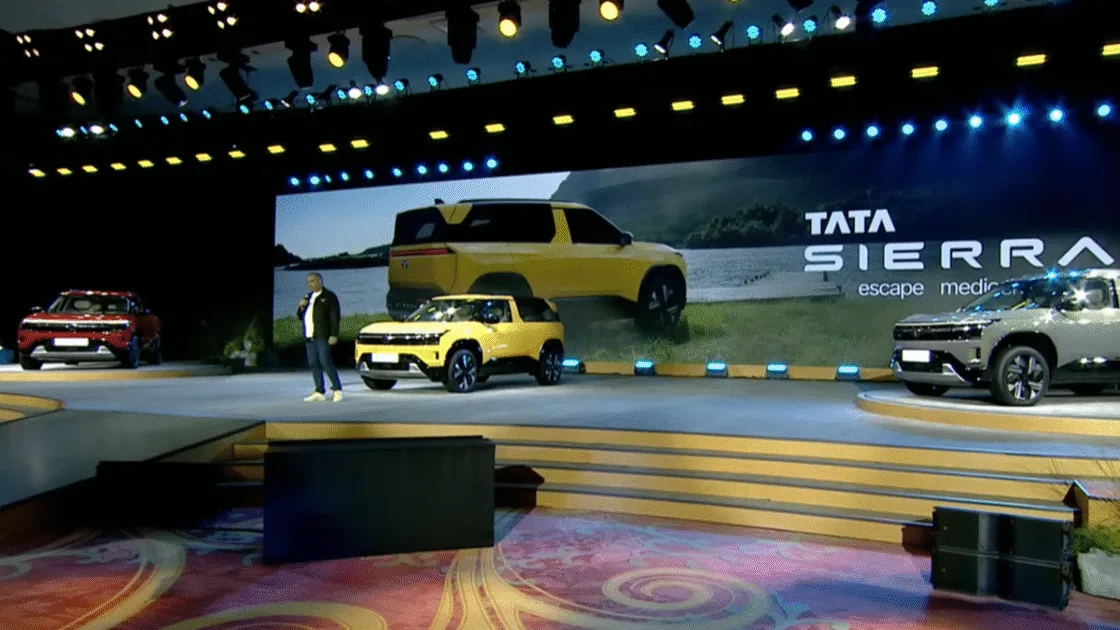
In November 2025, Tata Motors will return the Sierra nameplate in internal combustion engine form. The fully electric version will follow in early 2026. Major components, including battery technology and electrical design, are anticipated to be shared by the Sierra EV, Curvv EV, and Harrier EV. Additionally, it might be positioned as a more long-range competent lifestyle electric SUV with contemporary features and useful dimensions by utilising the larger battery pack from the e-Harrier.
5. Hyundai Compact e-SUV
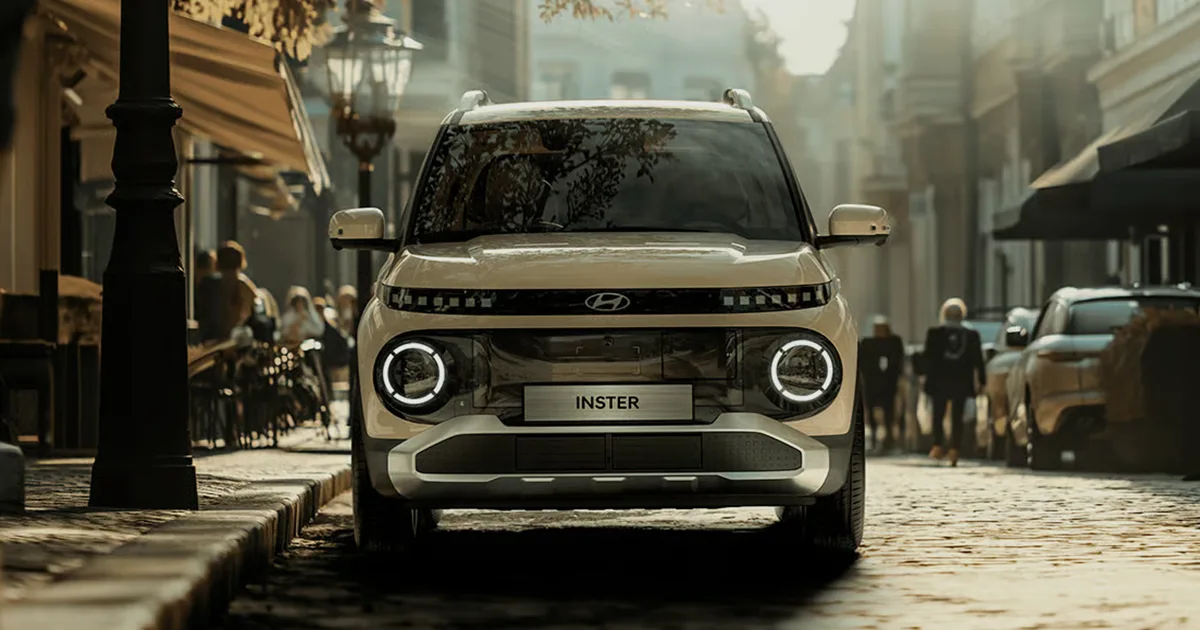
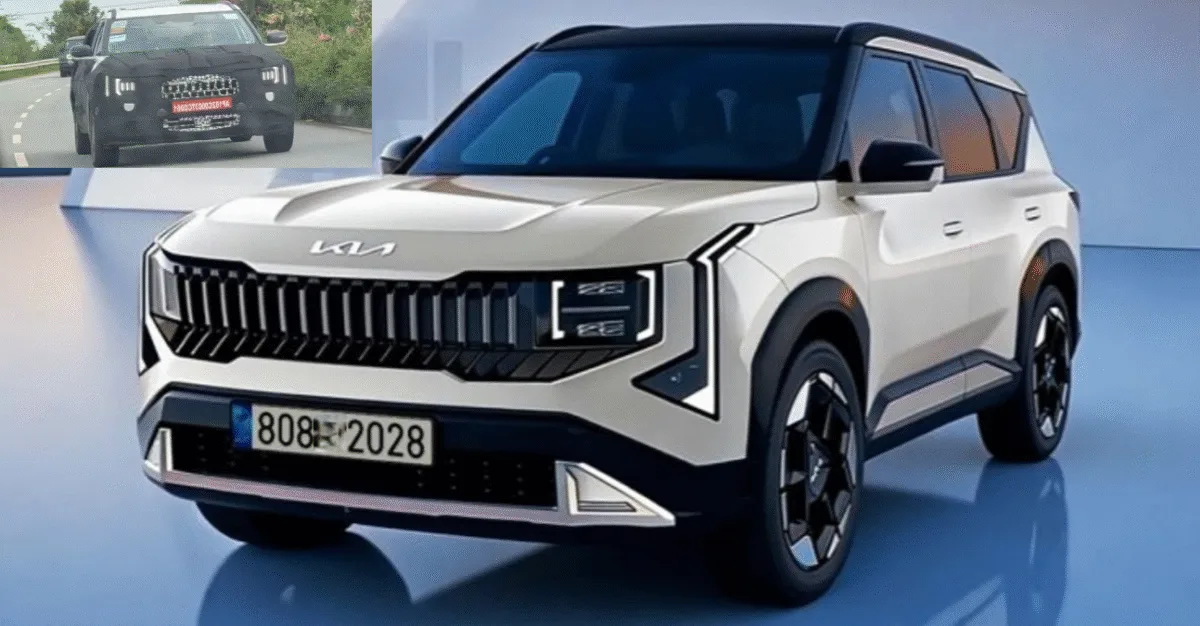
Hyundai is developing a small electric SUV with a focus on emerging and Indian markets. This new EV, which is positioned below the Creta Electric in its range, may take design cues from the worldwide Hyundai Inster while being extensively localised to control costs. Although technical specifications are still unknown, it is anticipated to appeal to urban consumers searching for a high-featured, reasonably priced electric SUV. Although formal confirmation is still pending, Kia might adopt a similar approach with its own small EV based on the Syros.
Also Read:- 5 New Features Of 2025 Tata Sierra Revealed: Triple Screens, New 1.5 tGDi Engine & Launch Details
6. Mahindra XUV 3XO EV
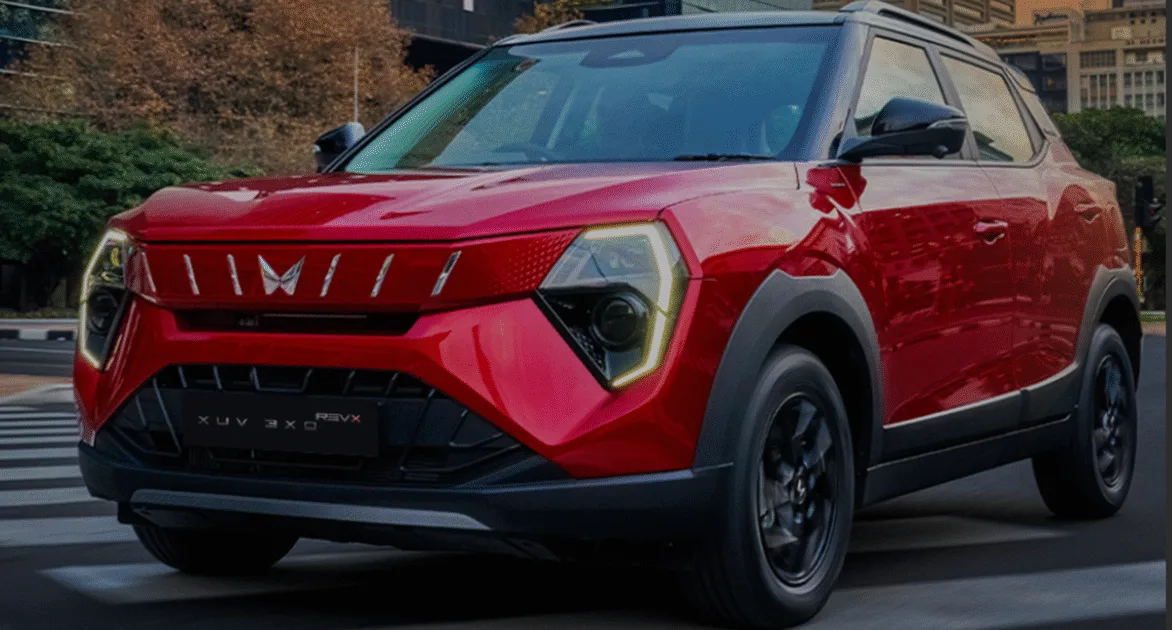
The XUV 3XO EV, which has already been seen testing several times, is one of Mahindra’s tiny EV ambitions. It will provide a more economical entry point into Mahindra’s electric ecosystem and is intended to directly compete with the Tata Punch EV and several Nexon EV variants. This one is specifically targeted at first-time EV users and urban consumers seeking a useful SUV for everyday use.