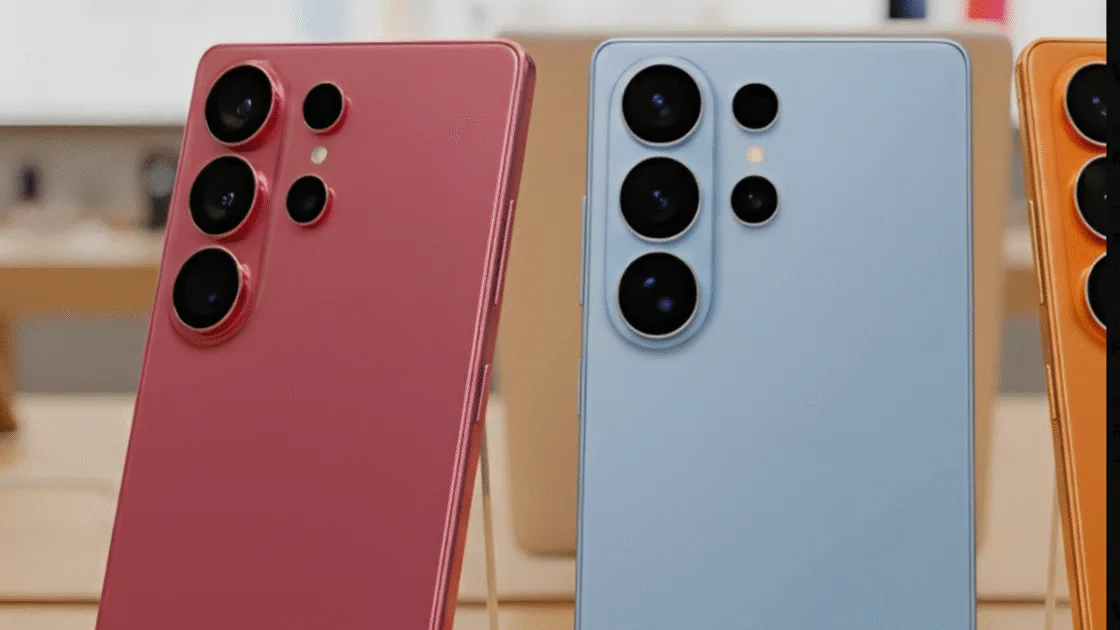
The Samsung Galaxy S26 series may retain its 2,600-nit display despite adopting the new M14 OLED panel, raising concerns about Samsung falling behind rivals.
The Samsung Galaxy S26 series, which is anticipated to be released in early 2026, might not provide the improved display that many consumers had anticipated. The entire lineup is expected to launch with a panel that has the same peak brightness level of 2,600 nits as the Galaxy S24 and S25 series, according to a recent leak. This is important because competitors like Apple, Xiaomi, Oppo and Vivo have already advanced with brighter M14-based OLED panels, whereas Samsung usually raises brightness with each flagship cycle.
Key Details of Samsung Galaxy S26 series
| Feature | Details |
| Series | Samsung Galaxy S26 / S26+ / S26 Ultra |
| Peak Brightness | 2,600 nits (no upgrade) |
| Panel Type | Samsung M14 OLED |
| Competitor Brightness | Vivo X300 – 4,500 nits; Xiaomi 17 – 3,500 nits; iPhone 17 – 3,000 nits |
| Possible Reason | Heat control, cost-cutting |
| Charging (Ultra) | 60W wired, 25W wireless |
| Charging (Base & Plus) | ~20W wireless |
| New Features | Gorilla Armor upgrade, privacy display |
| Launch Timeline | January–March 2026 expected |
Also Read:- Honor Robot Phone Teased Ahead of MWC 2026 with AI-Powered Gimbal Camera
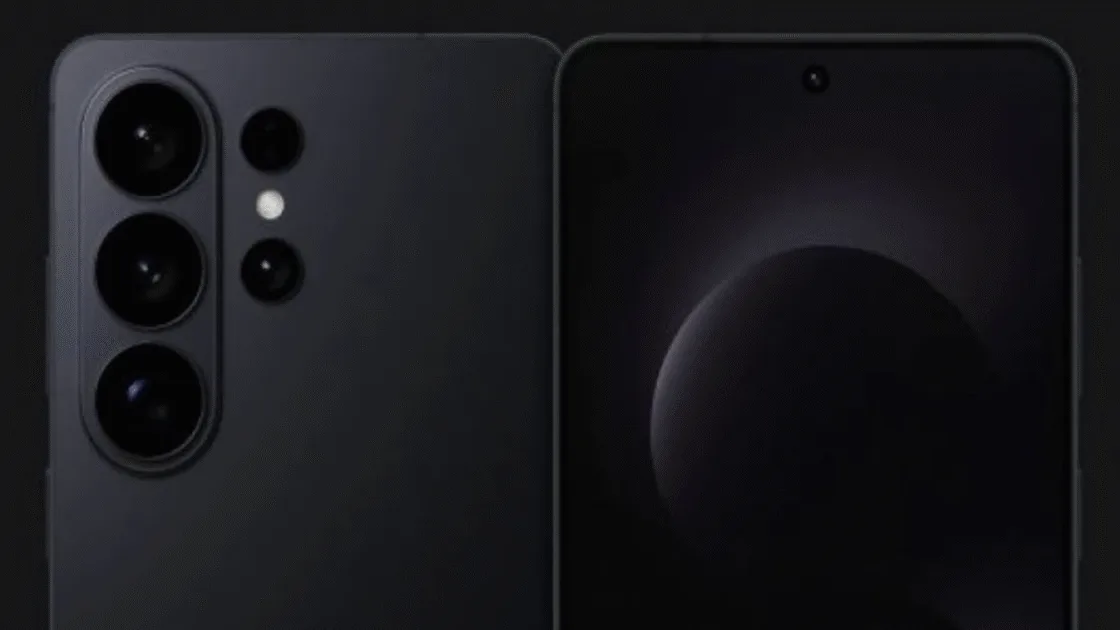
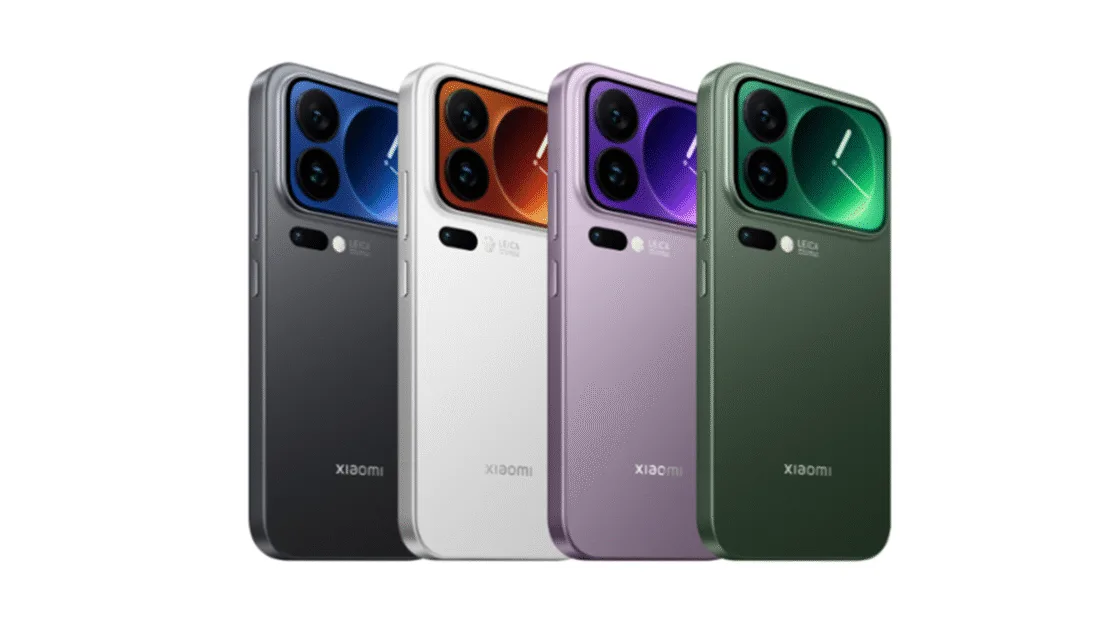
If accurate, this would put the next Galaxy S26 series behind rivals like the Vivo X300 at 4,500 nits, the iPhone 17 at 3,000 nits, the Xiaomi 17 at 3,500 nits and the Oppo Find X9 at 3,600 nits. Although 2,600 nits is still adequate for outdoor use, the lack of advancement over a number of generations has raised the possibility that Samsung is limiting brightness to control heat or cut expenses.
The Galaxy S26, S26 Plus and S26 Ultra will have OLED screens with a maximum brightness level of 2,600 nits, according to Tipster Aakash Gour (@AakashGourX) in an X post. This suggests that even with the anticipated switch to Samsung Display’s newest M14 OLED technology, the peak brightness level will not rise.
Samsung is not need to forego the M14 panel if the peak brightness remains constant. The tipster thinks Samsung will continue to use M14 due to its efficiency advantages, as the more recent material has superior durability, higher purity and enhanced resistance to deterioration. These characteristics can improve luminous efficiency, but they have no bearing on colour depth, frequency of dimming, or panel design as a whole.
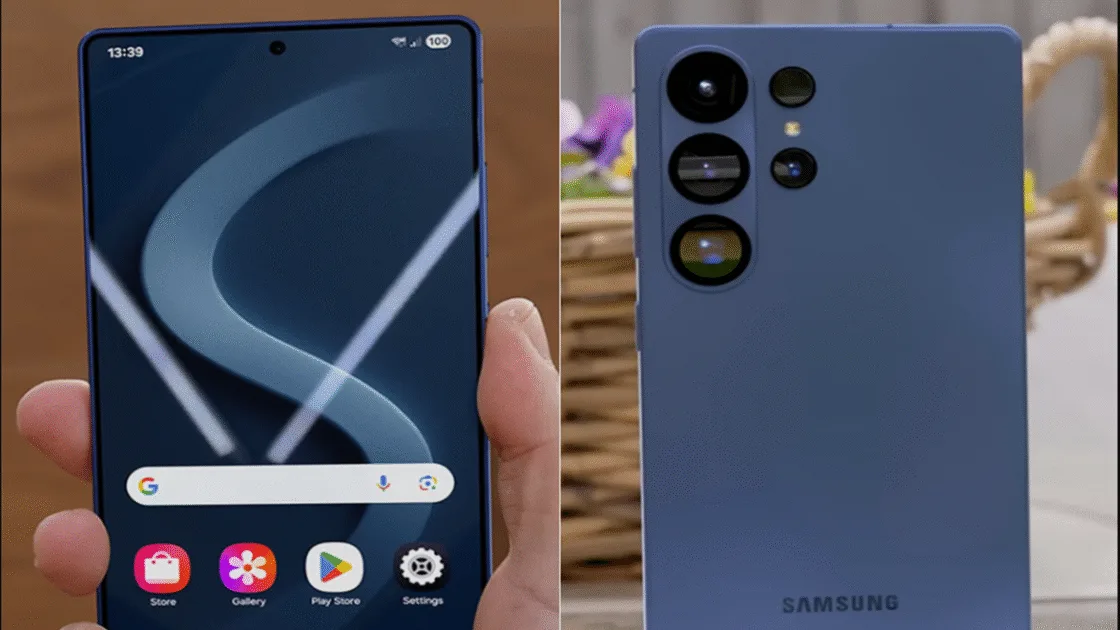
The Galaxy S26 Ultra is anticipated to have 25W wireless charging and faster 60W wired charging, up from 45W, in addition to display modifications. Additionally, the Galaxy S26 and S26 Plus might switch to 20W wireless charging.
The M14 upgrade might be combined with additional improvements, as brighter screens are doubtful. According to rumours, the Galaxy S26 Ultra will receive a new Corning Gorilla Armour with more potent anti-reflective qualities, which could enhance visibility in the real world even at the same 2,600-nit level. Additionally, a Privacy display function that automatically dims sensitive content in crowded areas is reportedly being developed by Samsung.
According to reports, the South Korean tech behemoth is adopting a cautious strategy when it comes to internal cooling, battery enhancements and camera upgrades, perhaps to maintain pricing competitiveness with the iPhone 17 lineup. Although other reports cite February or March as potential windows, the Samsung Galaxy S26 lineup is generally anticipated to appear around January 2026.
Also Read:- Based On Android 16 Nothing os 4.0 Spotted on BIS: India Launch Expected Soon
The informant is unsure, though, if the Galaxy S26 range would offer high-frequency PWM dimming or 10-bit colour. Both can have a substantial impact on image quality and user comfort and are becoming more prevalent among competitors. The leaker warns that unless Samsung verifies these capabilities, they shouldn’t be anticipated.